Stablecoin Legislation Must Respect the Dual-Banking System
To be sure, the dual-banking system itself at present is far from federalism perfected, and state and federal jurisdiction over banks does overlap in important ways; state-chartered banks that are members of the Federal Deposit Insurance Corporation and/or the Federal Reserve System, for example, face additional federal supervision. But such federal bank supervision makes even less sense for stablecoin issuers, which ultimately provide a payment tool (tokens designed to maintain a 1:1 peg with the U.S. dollar), not banking services. Source

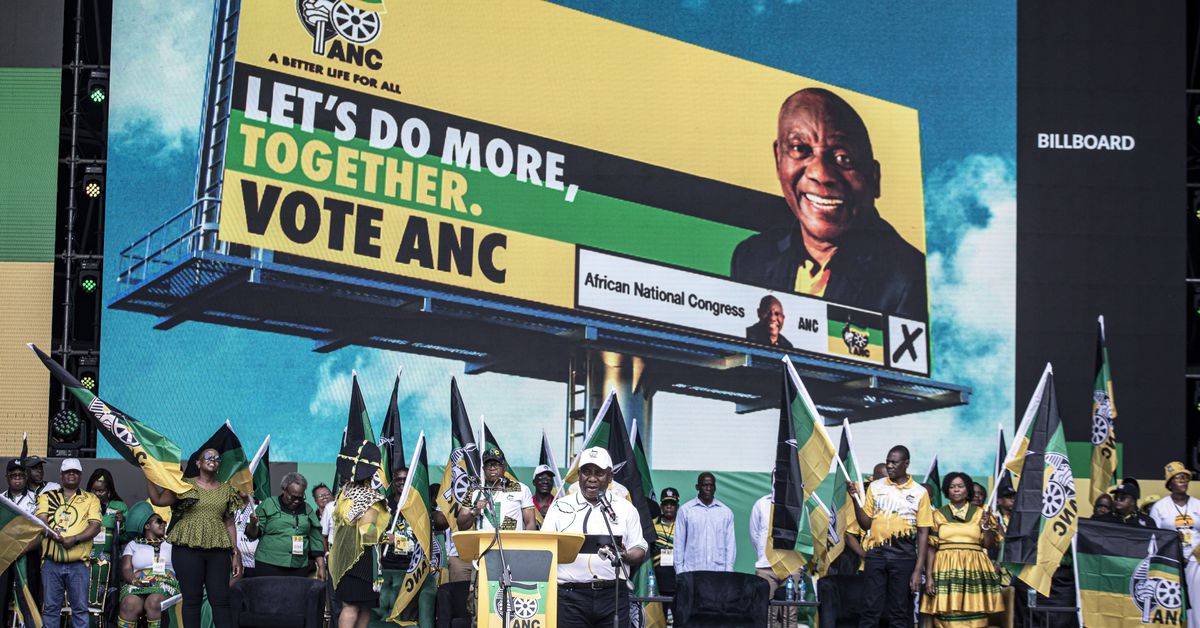
South Africa’s Election Won’t Interfere With Crypto Policy: Industry Watchers

“I think that in South Africa, in particular, the work that has been done on digital assets has been to address problems that in many respects are apolitical, and the approach they’ve taken has been apolitical as well,” John McCarthy, general counsel for global regulatory affairs at Fireblocks, said in an interview with CoinDesk. “It’s also been through an intergovernmental working body, much of which is inherently apolitical.” Source

Japan’s Embrace of Web3 Uncertain as Ruling Party Under Threat

Japan’s Prime Minister Fumio Kishida and his ruling Liberal Democratic Party (LDP) have shepherded the country’s Web3 strategy along with a host of regulations and plans for the crypto sector. A major corruption scandal, however, bodes ill for Kishida and the party’s future – leaving the country’s crypto progress on uncertain footing. Source