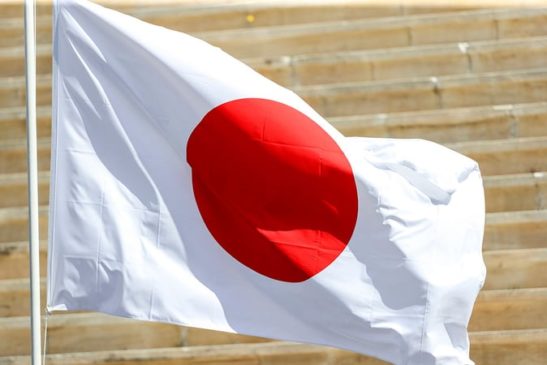
Through its privacy commission, Japan issued a warning and threatened to take action against OpenAI if it violates any privacy regulation.
Japan’s privacy agency has announced it issued a warning to OpenAI on using or collecting user data. The Personal Information Protection Commission (PPC) urged the ChatGPT creator to only collect sensitive information with consent from users.
In the statement, the privacy watchdog suggests it is currently not investigating OpenAI for any breach of privacy or unauthorized collection of user data. However, it called on the company to “reduce the risk to the rights and interests of individuals”. The commission also said it would take action if any violation occurs.
In addition to warning OpenAI, the agency also cautioned firms in Japan about handling private data. The PPC urged companies that handle personal data and agencies using AI to function within the limits of lawful operations.
OpenAI and Artificial Intelligence Regulation in Japan and Other Countries
Although no specific regulations restrict AI in Japan, the government made a 2019 publication that delineates tenets AI must follow before implementation. According to the Social Principles of Human-Centric AI, all implementations must follow three fundamental tenets. They include sustainability, diversity and inclusion, and human dignity.
Japan also has the Act on the Protection of Personal Information (APPI) which has certain effects on AI implementation and usage. For instance, the entity responsible for developing or creating an AI system may be liable in tort under civil law if the AI’s negligence results in third-party damage. However, determining what exactly qualifies as negligence is a significant bottleneck to this.
Since the explosive growth of ChatGPT, many nations have begun creating regulations to guide AI usage. According to a Financial Times report, the UK’s prime minister Rishi Sunak said that the country would spearhead robust regulations to protect users and grow the sector. He said:
“I think the UK can play a leadership role because, ultimately, we’re only going to grapple with this problem and solve it if we work together – not just with the companies, but with countries around the world.”
According to an unnamed senior British official referenced in the report, the EU and the US are at two extremes of the regulatory battles. The official believes this puts the UK in the best possible position to take the leadership role:
“The information we get from the companies is that the EU is going down quite a draconian route while the US is almost too blase about it. That leaves us in quite a good position in the middle.”
Japan’s Semiconductor Manufacturing
As demand for AI increases, Japan is trying to reclaim its spot as a powerhouse for semiconductor production. It may also be trying to compete with China’s ambitious plans in the artificial intelligence department. Decades ago, Japan was the world’s largest chip maker, with more than 50% of the global market share in 1988. As it tries to reclaim its lost glory, Japan is mulling restrictions on equipment necessary for semiconductor production. According to a recent report, this restriction is part of an agreement with the Netherlands and China, aimed at stifling China’s semiconductor production growth.
Tolu is a cryptocurrency and blockchain enthusiast based in Lagos. He likes to demystify crypto stories to the bare basics so that anyone anywhere can understand without too much background knowledge.
When he’s not neck-deep in crypto stories, Tolu enjoys music, loves to sing and is an avid movie lover.


