US Justice Department charges two men in Mt. Gox Hack
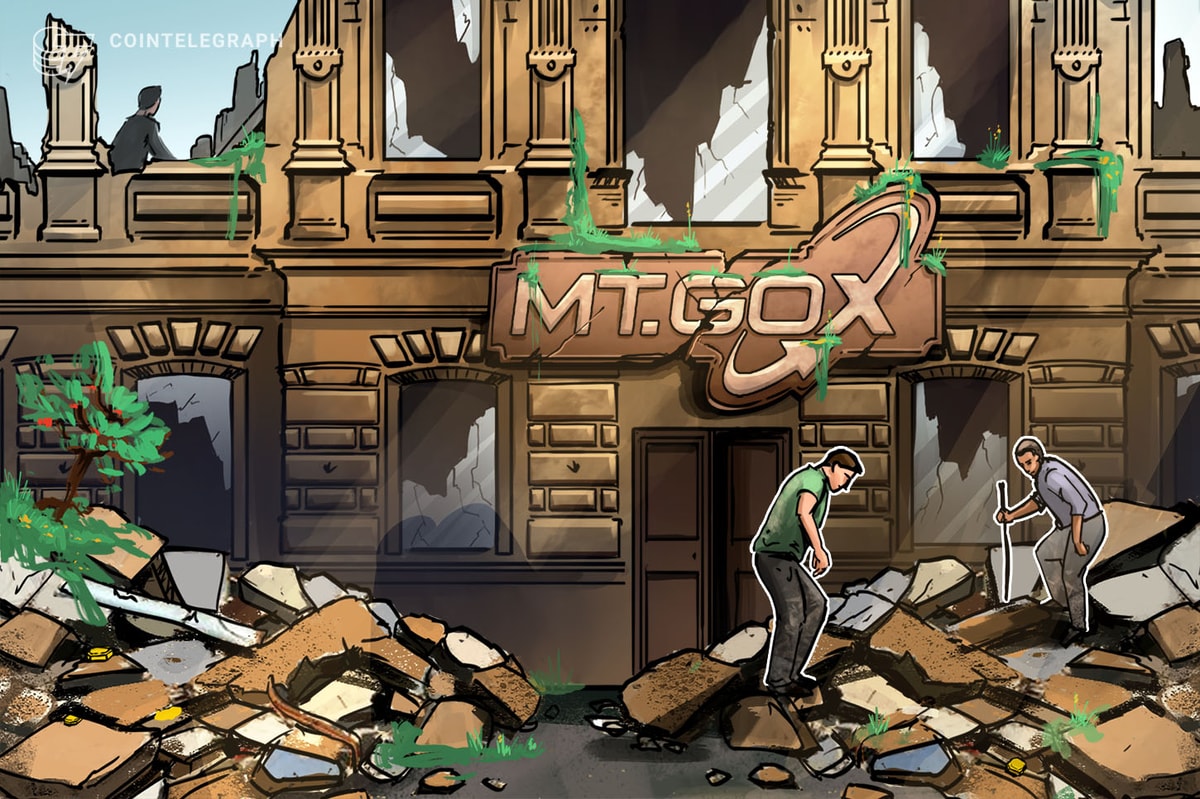
The United States Justice Department has unsealed charges against two men it says are responsible for the $400 million hack of former Bitcoin (BTC) exchange Mt. Gox. According to the announcement, 43-year-old Alexey Bilyuchenko and 29 year old Aleksandr Verner allegedly conspired to launder 647,000 BTC they stole from Mt. Gox through a hack of the exchange’s servers.  Bilyuchenko is also charged with conspiring to operate the BTC-e exchange, which was shut down in 2017 due to money laundering allegations. The DOJ unsealed charges related to the 2011 hack of…

New Details in the BTC-e Exchange Case

Fully 300,000 of those coins went to BTC-e, another now-defunct crypto exchange. BTC-e was shut down by the FBI in 2017, and the exchange’s alleged operator, Russian national Alexander Vinnik, was arrested in Greece and later extradited to the U.S. to face charges for “computer intrusions and hacking incidents, ransomware scams, identity theft schemes, corrupt public officials and narcotics distribution rings.” Source

Real-world asset protocols outperform DeFi blue chips due to tokenization wave

Real-world asset (RWA) protocols have become a hot trend within decentralized finance (DeFi) circles. An RWA protocol is a decentralized application that allows entities to tokenize and trade real-world assets. These assets range from stocks and government bonds to real estate and commodities. They are also known as asset tokenization protocols. DeFi provides certain advantages over TradFi by making the smart contracts transparent and enabling a wide degree of financialization of assets by making them divisible, transferable and tradable on decentralized platforms. The top uncollateralized lending protocols for institutions, TrueFi…

DeFi volumes surge 444% after Binance, Coinbase lawsuits: Finance Redefined

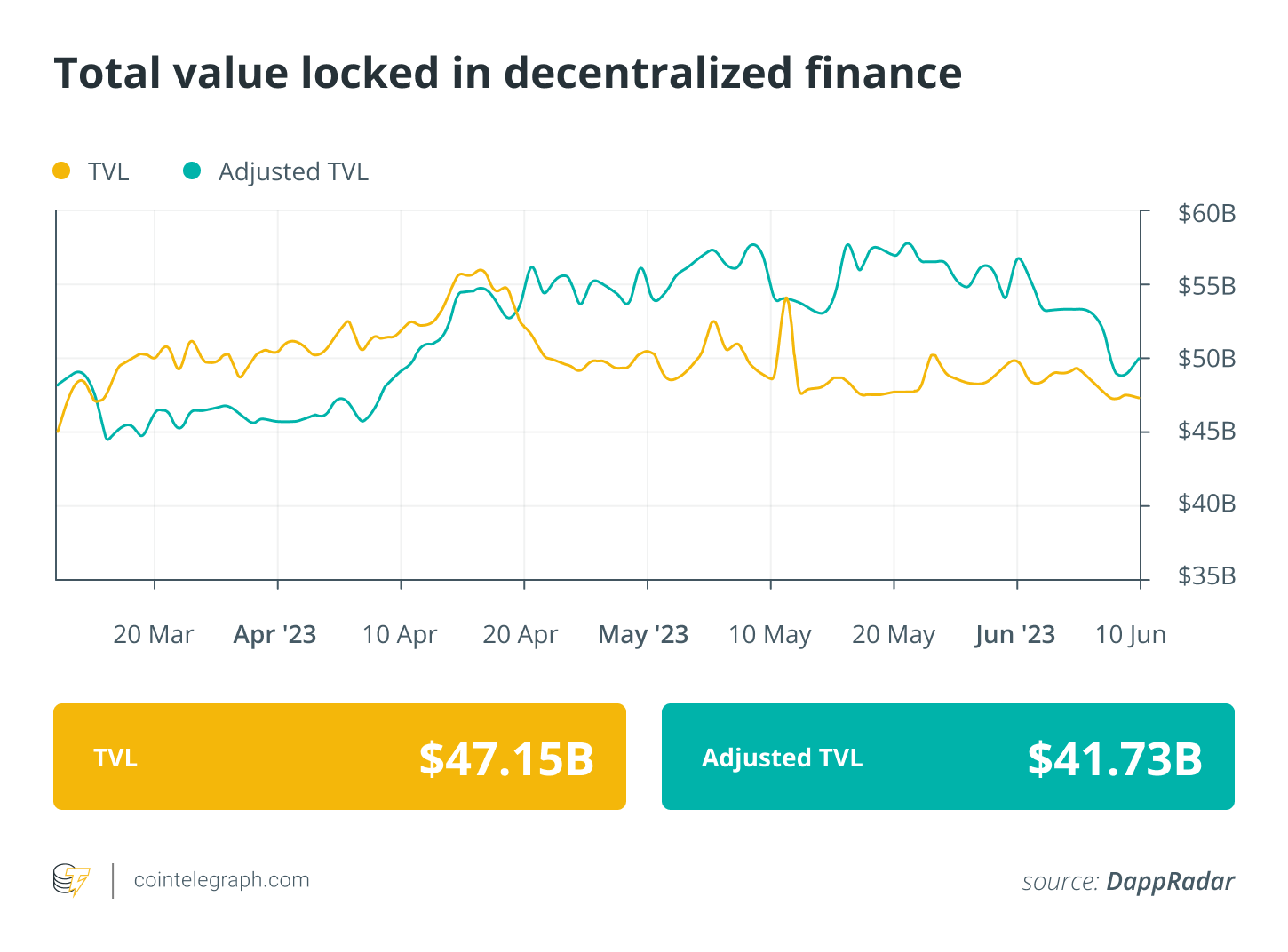
Welcome to Finance Redefined, your weekly dose of essential decentralized finance (DeFi) insights — a newsletter crafted to bring you the most significant developments from the past week. The United States Securities and Exchange Commission’s (SEC) lawsuits against two leading centralized crypto exchanges — Binance.US and Coinbase — have led to a surge in DeFi trading volume over the past week. While SEC’s enforcement action against centralized exchanges has hogged the headlines, the securities regulator is actively pursuing cases against the decentralized exchange (DEX) ecosystem as well. Crypto venture capital…

Crypto.com to halt US institutional exchange service

Crypto.com has made the decision to discontinue its institutional exchange service for clients in the United States, with the suspension set to take effect on June 21. The Singapore-based cryptocurrency exchange attributed the move to a combination of limited demand from institutional customers and challenging market conditions. Leaving the U.S. CryptoTea, an anonymous figure known for its involvement in the cryptocurrency community, has raised an important observation regarding the Securities and Exchange Commission’s (SEC) recent actions.  Specifically, the SEC has explicitly mentioned multiple tokens traded on the Crypto.com platform as…

Binance.US Halts US Dollar Deposits Over Banking Challenges, Says It Will Temporarily Be a Crypto-Only Exchange

Binance.US says that it will be halting US dollar deposits and withdrawals in response to being sued by the U.S. Securities and Exchange Commission (SEC). In a new announcement, Binance.US says it will temporarily become a crypto-only exchange platform due to the SEC’s “ideological campaign” against the US digital asset industry. “The SEC has taken to using extremely aggressive and intimidating tactics in its pursuit of an ideological campaign against the American digital asset industry. Binance.US and our business partners have not been spared in the use of these tactics,…

The Memecoin Grift and How It Threatens Ethereum Culture

This means you have to create an atmosphere, a cultural context, where the message of long-term regen culture overshadows short-term degen culture, relegating it to an immature phase. The regens are those within Ethereum culture dedicated to ensuring the technology does not generate negative externalities, but instead positively impacts society over the long term. How do we, in the words of Gitcoin founder Kevin Owocki, funnel more Ethereans into regen than degen? Source