Brazil’s president signs law aimed at having central bank regulate crypto firms

Brazilian President Luiz Inácio Lula da Silva, known to many as simply Lula, has signed legislation giving clarity to the roles the country’s central bank and securities regulator will take in regards to cryptocurrencies. In a June 14 notice, President Lula signed government decree No. 11.563, establishing rules under a December 2022 law on a legal framework for crypto in Brazil. The legislation authorizes the Central Bank of Brazil to regulate and supervise virtual asset service providers, and ensures many token projects that qualify as securities will continue to fall…

Lama Introduces Visa Cards with Bitcoin Cashback to Customers

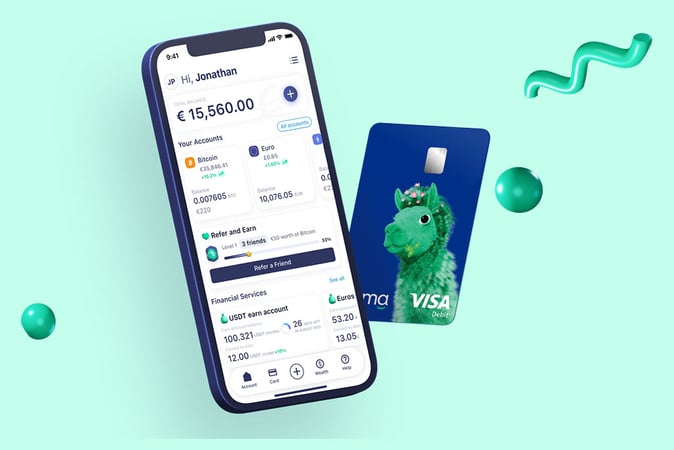
Lama joins Gate.io, Crypto.com, and Bybit amongst other crypto trading platforms in offering crypto debit cards to customers. Crypto exchange Lama has launched its own branded cards from Visa Inc (NYSE: V). According to a press release shared with Coinspeaker, these cards can enable quick conversion of cryptocurrencies to fiat currencies, allowing users to spend their digital assets and Euros everywhere Visa is accepted. Lama offers both physical and virtual Visa cards to cater to the diverse preferences of its user base. The physical card can be used for in-person…

Treasury Yields Fall in Anticipation of Possible Interest Rate Hike

Data has shown that the US Treasury yields fell as the traders and investors expect the Fed to either increase or postpone a rate hike. US Treasury yields fell on Wednesday as the market anticipates the Federal Reserve’s decision on subsequent interest rate hikes. The 2-year Treasury yield fell to 4.656%, losing 4 basis points, while the10-year Treasury yield fell to 3.808% after losing 3 basis points. Traders generally expect the Fed to resume rate hikes by July, with a 63% chance that the next hike will be 25 basis…

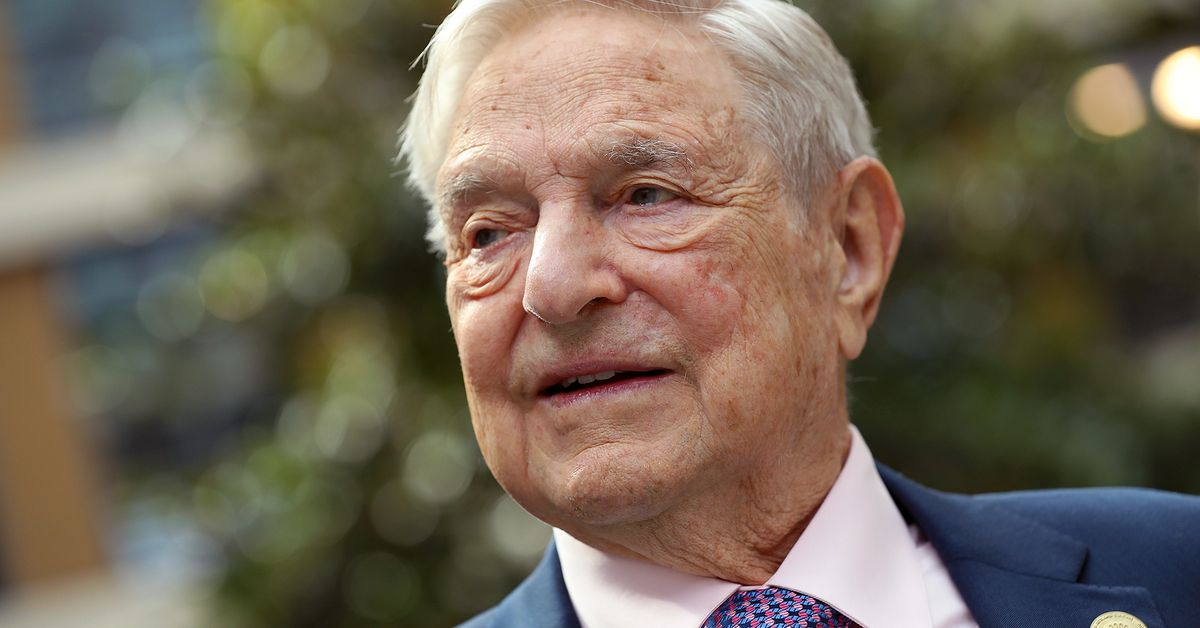
A Lesson From George Soros Amid Binance and Coinbase Accusations

Both positioning and market expectations dig into a bigger concept of reflexivity within financial markets, as pioneered by George Soros. In short, market reflexivity suggests that investor perceptions and behavior impact market conditions, which, in turn, impact and shape investor beliefs and actions. This circular, self-referential feedback loop leads to non-linear market dynamics as cognitive biases and expectations build on each other to impact market prices and investor positioning. This can explain the emergence of price trends that can become self-fulfilling over the short run and self-correcting over the longer…

Ethereum (ETH) Ecosystem Is Getting Busier, Not Quieter, Amid Layer 2 Shift

Lastly, we see strong growth and a shift toward off-chain execution continuing for several reasons. First, the Ethereum protocol continues to move in this direction and will particularly do so with its next upgrade, including proto-danksharding, which expands Ethereum’s data availability capabilities. Moreover, not only is the base layer itself improving, but so, too, are the layer 2s, with improved decentralization and new paradigms around interconnectivity and shared security ahead. And these base and secondary layer improvements will come together to enable new use cases and functionality, creating a virtuous…

Israeli crypto entrepreneur joins privacy-focused project amid fraud allegations

Moshe Hogeg, an Israeli entrepreneur, has returned to the spotlight of the crypto industry after speaking at a conference in Morocco on ‘alternative internet network’ Tomi. Speaking at the Nakamoto Forum in Marrakech on June 6, Hogeg was one of a handful of project leaders at Tomi who spoke on the network’s privacy features to a crowd of investors, representatives from crypto and blockchain firms, and members of the media. The entrepreneur was arrested by Israeli authorities in November 2021 for allegedly engaging in financial fraud related to cryptocurrency as…

The Graph Starts Migrating its Settlement Layer to Arbitrum from Ethereum

Every time a user performs a transaction on The Graph like delegating and indexing, there is a cost to it. “With this transfer to Artbitrum, those costs are lower. So we expect that there will likely be more indexers that spin up on the network [and] more delegators that get involved because that barrier to entry is lower, the cost isn’t so high,” Kline told CoinDesk. Source